

Even strong, loving couples go through seasons when communication breaks down and distance starts to grow. You may still care deeply for your partner, but find yourselves stuck in patterns of miscommunication, frustration, or emotional distance that you can’t seem to fix on your own.
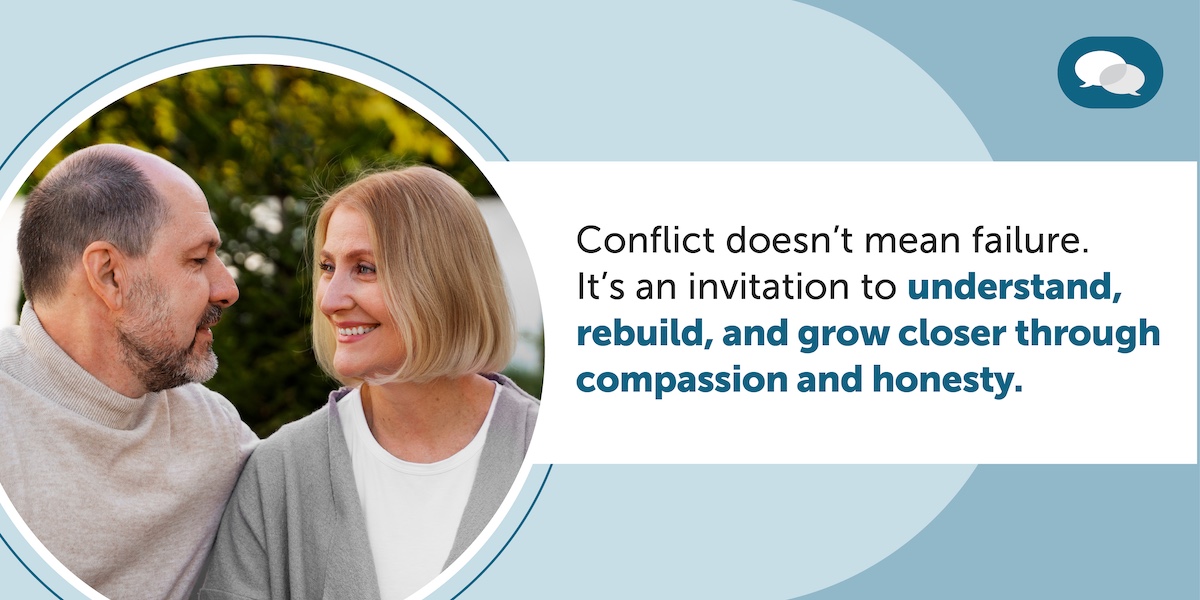
It’s important to remember that this doesn’t mean your relationship is failing. It simply means something needs attention.
Every relationship experiences moments that test connection, trust, and patience. Couples therapy offers a safe space to slow down, understand what’s really happening beneath the surface, and begin rebuilding emotional closeness.
If you’ve ever wondered when to go to couples therapy, here are three common signs that it might be time to reach out — and why getting help early can make all the difference in keeping your relationship strong and connected.
1. You Keep Having the Same Argument
Do you ever feel like you’re stuck in a loop, having the same disagreement about chores, money, or household routines over and over again? Maybe it’s something small, like the ceiling fan being left on, but it sparks the same frustration every time.
When couples replay the same argument, it’s rarely about the actual issue. These recurring conflicts often point to unmet emotional needs, like the need to feel accepted, valued, or understood. Beneath every repeated argument might be silent questions such as:
- Do I matter to you?
- Am I accepted as I am?
- Do you still love me even when we disagree?
When those questions go unanswered, small frustrations can build into larger emotional disconnection.
Couples often reach a point where they think, “We’ve tried everything. We just can’t fix this.” But in many cases, the argument is a symptom, not the root problem.
In Emotionally Focused Therapy (EFT), couples learn to recognize what’s really happening underneath those repetitive patterns — to slow down, see the emotional signals behind conflict, and respond with empathy rather than defensiveness.
It’s not about avoiding arguments altogether, but learning to use them as opportunities for understanding and repair.
2. Your Good Intentions Keep Getting Misunderstood
You say something with the best of intentions, maybe offering help or trying to express concern, and somehow it lands the wrong way. Your partner hears criticism instead of care. You feel dismissed or unappreciated, and before you know it, another wall goes up.
Most partners mean well, but tone, timing, and emotional triggers can distort the message until both people feel unseen. This kind of miscommunication is one of the most common reasons couples wonder when to seek couples therapy.
Over time, these small misunderstandings can create resentment or withdrawal. You might start avoiding sensitive topics or walking on eggshells just to keep the peace.
Couples therapy helps you break that cycle. Through EFT, partners learn to slow down, listen differently, and check for understanding before reacting. Instead of interpreting everything through past pain, therapy helps you see your partner’s intentions more clearly and rebuild trust through empathy and openness.
3. You Feel Emotionally Distant
It’s also important to recognize the limitations of going it alone.
One of the clearest signs that couples therapy may be needed is emotional distance. You might be sitting side by side, watching TV, sharing dinner, or lying in bed, yet you feel miles apart.
Emotional distance doesn’t happen overnight. It builds slowly, often so gradually that you don’t notice until the silence feels heavy or the connection feels lost. You might think, “We’re still together, but something’s missing.”
When emotional closeness fades, partners can start to feel lonely, unseen, or unwanted, even while sharing the same space.
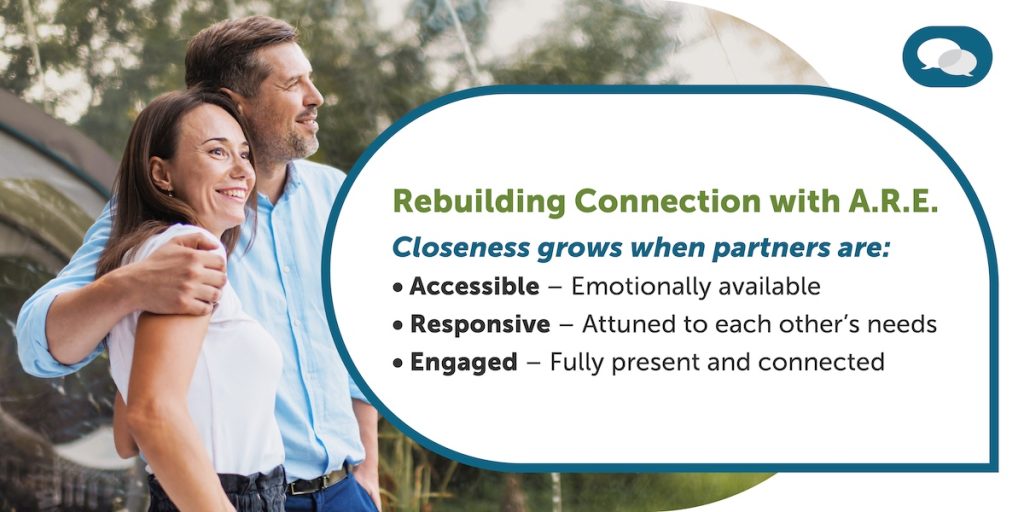
Therapy can help you find your way back. Emotionally Focused Couples Therapy is designed to help rebuild emotional safety and connection by focusing on three key pillars of closeness, known as A.R.E.:
- Accessible: Are you there when your partner reaches for you?
- Responsive: Do you respond with care when your partner expresses emotion?
- Engaged: Are you present and emotionally connected in the relationship?
When couples begin to answer “yes” to these questions again, love starts to feel safe, rather than distant or uncertain.
What Happens in Couples Therapy
Many people hesitate to reach out because they think, “We should be able to figure this out ourselves.” But relationship patterns can be deeply embedded, and no amount of intelligence or willpower makes it easy to untangle them alone.
Couples therapy offers a safe, non-blaming space to explore what’s really going on beneath the surface.
It’s not about acting a certain way or performing as the “perfect partner.” In fact, healing begins when both people can show up as themselves, with all their imperfections and good intentions, and know that it’s okay to be honest.
Through therapy, you’ll learn to:
- Recognize recurring cycles of conflict and what fuels them.
- Express emotions in ways your partner can hear and understand.
- Rebuild closeness and trust through open communication.
And the sooner you begin, the easier it is to heal. Couples who wait years to seek support often carry more pain and misunderstanding, which makes repair harder (though not impossible).
Starting early helps you to address challenges and reconnect before the pain feels unmanageable.
The Bottom Line: Love Doesn’t Have to Be Perfect to Be Healthy
All couples struggle at times. Disagreements, stress, and change are part of every relationship. What matters is not whether or not you argue, but how you find your way back to each other afterward.
When you can be yourself, show up with empathy for your partner’s intentions, and know that you’re both working toward understanding, real healing becomes possible.
If your relationship is showing any of these signs, or if you’ve been wondering whether couples counseling could help you reconnect, we’re here to support you.
At Wellness Counseling Center, our therapists use Emotionally Focused Therapy to help couples rebuild trust, closeness, and emotional security within a safe and supportive environment.
Contact us today to start your journey toward a stronger, more connected relationship.


