

Making sense of your and your partner’s attachment style is one key to fostering a long-term healthy relationship.
Attachment theory, developed by British psychologist John Bowlby, reveals that the way we bond with others begins in infancy and profoundly influences our relationships throughout life.
This is the framework that sheds light on how we form connections — not just with romantic partners, but also with family and friends. Your attachment style can indicate how you relate, trust, and connect with those around you.
What Are Attachment Styles and How Do They Develop?
There are two primary attachment styles in relationships: secure attachment and insecure attachment.
It’s important to know which category you fall into because being securely or insecurely attached has a lot to do with how you interpret the world around you. It’s how we make sense of the relationships that we’re in.
As humans, we’re meaning-making machines. That’s what we do. But much of the time, it’s not as accurate or productive as we might like.
Types of Attachment Styles
Taking a look at secure attachment vs insecure attachment styles, you can see the vast differences between the two.
Secure attachment seems surefooted and healthy, with a style of open communication — while insecure attachment oftentimes has an underlying sense of volatility, with unresolved issues following along.
Let’s take a look at both so that you can start to be more aware of how these attachment styles may influence your relationship.
Secure Attachment vs Insecure Attachment Styles
Secure Attachment
A secure attachment fosters healthy relationships through trust, stability, and emotional safety. People with a secure attachment style are often comfortable with intimacy, open communication, and relying on their partner without fear of rejection or abandonment.
While this is often seen as the ideal attachment style, it’s not the reality for everyone.
Insecure Attachment
In contrast, insecure attachment can present significant challenges within relationships. It often manifests in one of three forms:
- Anxious Attachment: Anxious attachment triggers stem from a fear of abandonment or rejection. Individuals with this style may become overly dependent and seek constant reassurance from their partner.
- Avoidant Attachment: Marked by a fear of intimacy, this style arises from a deep need for independence. These individuals may keep their distance emotionally and typically avoid vulnerability.
- Disorganized (Fearful-Avoidant) Attachment: A complex combination of fearing intimacy and rejection. People with this attachment style usually desire closeness yet simultaneously push others away.
I wanted to provide you with a glimpse into the different attachment styles to help you better understand your own tendencies and those of your partner. Because at the end of the day, this awareness is the first step to building a stronger, more fulfilling relationship with your loved one.
How to Identify Your Attachment Style
Most distressed couples fall into one of two attachment styles: avoidant or anxious. At our couples counseling center in Charlotte, we primarily work with a dynamic known as the “pursuer” and the “withdrawer.” Typically, the pursuer aligns with anxious attachment, while the withdrawer tends to be avoidant.
This duo often gets caught in a relentless “pursue-withdraw cycle” — a pattern of conflict that feels inescapable. It’s frustrating. It’s painful. It’s the same argument on repeat, never truly resolving.
Over time, this cycle erodes warmth, tenderness, and love. It seeps into parenting, finances, political discussions, and work-life balance, making nearly every interaction feel like a battle.
The impact of avoidant and anxious attachment styles extends beyond romantic relationships, it can show up in friendships and professional dynamics as well. Recognizing these patterns is the first step toward breaking free.
Can Attachment Styles Change?
The short answer is: yes, attachment styles can change. However, making that change requires a special commitment to doing the inner work. I like to say; First, we name it. Second, we claim it. Then we can change it.

This means taking the time to identify and understand your emotional triggers and tendencies. Once you recognize these patterns, sitting with your emotions is helpful — acknowledge them, wrap language around them, and fully understand what they mean to you is a big part of the process.
Then you can take the risk to communicate your needs and desires with your partner. That inner work and self-reveal is what truly changes everything.
For example, let’s say the pursuer identifies feelings of loneliness, anxiety, and fear. Those are the emotions to claim.
They might then tell their partner, “I know that I might come across as anxious, but when you work such long hours, I get lonely and concerned that our relationship is going to suffer. I worry that we’re going to drift apart. .”
When this is shared, their partner might see them as less anxious and more caring. vulnerable and concerned.
The withdrawer might be able to acknowledge in a vulnerable way. For example, “I’m lonely too. I didn’t realize my presence was important to you. I thought every time I came home and you were upset, I was just in the way, which made me want to stay at work even longer. I do want to spend time with you and be with you.
In an ideal world, this kind of open communication would come naturally. But for most couples, especially distressed couples with busy lives it requires outside support to help make these conversations a reality.
How Couples Therapy Can Help
At Wellness, we use Emotionally Focused Therapy (EFT) to provide a safe, supportive space where you and your partner can break free from the negative cycles that have been straining your relationship.
The exhausting push-and-pull between the pursuer and the withdrawer doesn’t have to continue.
Through relationship counseling, you’ll gain the tools to build a more secure, understanding, and loving connection. Therapy helps you uncover emotional needs, improve communication, and foster deeper trust and intimacy.
It’s about creating lasting change — moving from reactive patterns to a healthier, more intentional way of connecting.
Find Your Attachment Style
I encourage you to take the time to explore and understand your attachment style. Gaining insight into your emotional patterns can help you better navigate your relationships and foster deeper connections with your partner.
Do you often worry about losing your partner, or do you tend to withdraw from emotional closeness? Perhaps your experience falls somewhere in between. By examining these tendencies, you can uncover how your attachment style shapes your interactions and relationship dynamics.
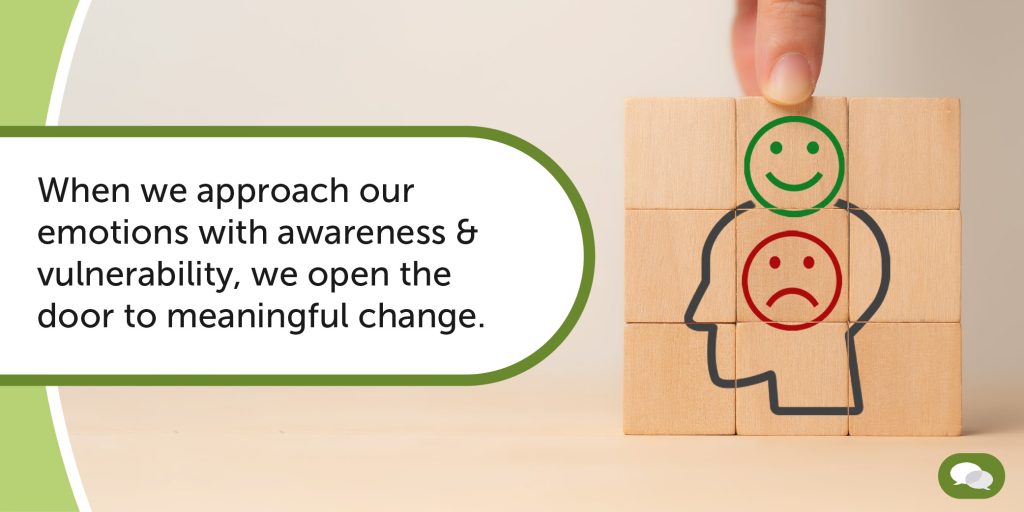
Breaking old patterns begins with self-reflection and a willingness to acknowledge the behaviors that influence your connections. When we approach our emotions with awareness and vulnerability, we open the door to meaningful change. This emotional insight lays the foundation for stronger, healthier relationships.
If you’re ready to break free from negative cycles and build a more secure, fulfilling connection, we’re here to help. Contact us today to begin your journey toward lasting relationship growth.


