
When couples reach out to begin counseling, they often share a common feeling: “I don’t know what I don’t know.” If this sounds familiar, you’re not alone.
Starting marriage counseling can feel overwhelming, especially if you’re unsure what to expect or what questions to ask. But taking time to reflect on a few key questions before your first session can help you feel more prepared — and more hopeful — about the path ahead.
At Wellness, we’ve supported countless couples as they take their first steps toward healing and connection. Some arrive amid a crisis, blindsided by a sudden separation or struggling with a reluctant partner. Others come with curiosity and a desire to strengthen their relationship before small issues grow bigger.
For some, weekly sessions work well, while others benefit from our intensive couples retreats, which offer a focused, accelerated approach to reconnection.
Wherever you are on your journey, asking the right questions about marriage counseling can help you move forward with clarity and confidence.
Before Marriage Counseling: Questions to Ask Yourself and Your Partner
Starting with self-reflection can set a positive tone. Here are some of the best before-marriage counseling questions to consider:
- What are the main issues we’re facing as a couple? Try to be specific. Is it communication? Trust? Feeling disconnected?
- What are our goals for counseling? Do you want to rebuild trust, improve communication, or simply understand each other better?
- How will we know when we’ve made progress? Every couple has their own sweet spot, and you get to decide what success looks like for your relationship.
At our practice, these questions aren’t just helpful — they’re foundational. We ask every couple to reflect on their issues, goals, and signs of progress. We also revisit these questions occasionally to celebrate growth or adjust the course. This also helps couples stay active and engaged in tracking their progress. There will be times when we can all pause to regroup and there will be other times when we’ll celebrate the ‘wins’.
For those looking to jumpstart their healing, our couples retreats offer a more immersive experience. These intensives provide dedicated time to work through challenges with the guidance of an experienced therapist, often helping couples make meaningful progress in just a few days.
Couples Counseling Questions for the First Session
Your first session is an important step in building momentum. Some helpful couples counseling first session questions include:
- How does this therapist work with couples like us?
- What is their approach, and does it resonate with both partners?
- What if one of us feels hesitant about continuing?
It’s normal to feel nervous at the start. The first session helps create a safe space where both partners feel heard and understood. Talking early about what might happen if one partner is unsure about continuing can help set realistic expectations and prevent misunderstandings.
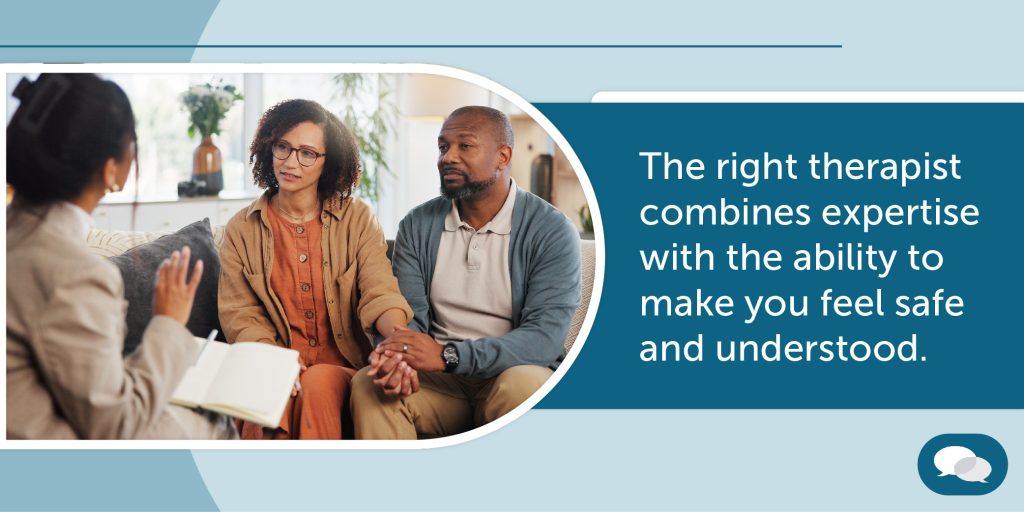
Choosing the right therapist is essential. Look for two key qualities: confidence and competence. A skilled therapist will not only have the credentials and experience but will also make you feel secure and understood. Without both, it’s hard to achieve progress.
Understanding Different Counseling Models: Why EFT?
Many couples arrive with questions about therapy models, such as: How is Emotionally Focused Therapy (EFT) different from the Gottman Method? Is an emotion-based model really more effective for distressed couples than a behavioral one?
Here’s what you should know:
- EFT is emotion-based. It helps couples get to the heart of the matter and share deeper feelings. This experience reveals negative patterns and strengthens emotional bonds.
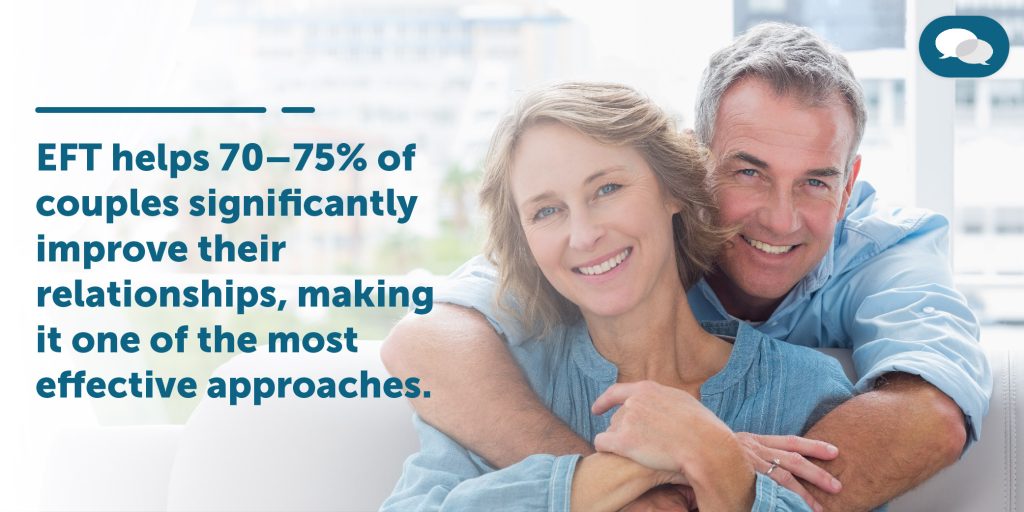
- EFT is backed by science. Among the many counseling models (over 200 exist), EFT is one of the strongest evidence-based models and has the highest success rate.
- Behavioral models can be helpful, but often fall short with distressed couples. When we’re triggered, the executive part of the brain shuts down and the reptilian part of the brain takes over. This is why arguments sometimes escalate over the smallest things.
- The Gottman Method, while highly structured and research-based, incorporates many behavioral and cognitive-behavioral strategies. It offers practical tools to improve communication and conflict resolution. However, for couples in acute distress, EFT’s focus on emotional connection and attachment often leads to deeper, more lasting change.
Practical Questions for Couples Counseling
Couples often have logistical concerns, and these are just as important. Here are some practical counseling questions for couples to consider:
- How many sessions will we need? At Wellness Counseling Center, EFT typically spans 8 to 20 sessions. Some couples find four sessions helpful; others continue for six months or more. We recommend planning for about six months, aiming for consistency rather than frequency.
- Will we get homework? Yes, sometimes. We offer an EFT workbook, videos, and worksheets that serve as helpful tools between sessions.
- How do we measure progress? We revisit your initial goals and check in to ensure you’re moving toward the relationship you want.
- What if we don’t connect with the therapist? A good therapist welcomes this conversation and helps guide you to another therapist ensuring a good fit, as necessary.
Also, consider your schedules and budget. Couples therapy works best when you can attend consistently enough to build momentum. Some couples come weekly at first, then taper off to every other week or monthly as they see progress. The key is maintaining a rhythm that keeps you connected to the work.
Choosing a Therapist: What Matters Most
When you’re exploring questions to ask for marriage counseling, don’t forget the importance of location and connection. For couples therapy, in-person sessions are often most effective. Being physically present with your therapist can deepen the work and create a safer space for emotional exploration.
When choosing a therapist, prioritize:
- Proximity (so attending sessions doesn’t add stress)
- Competence (evidence-based training and experience)
- Confidence (feeling that this person can help guide you)
Remember: Therapy is a partnership, and you and your partner are the experts in your own relationship. Your EFT Couples Therapist is there to guide and support, but the real work — and the real victories — belong to you.
Ready to Begin?
Whether you’re just beginning to explore counseling or already preparing for your first session, taking this step is an act of both hope and courage.
Asking thoughtful questions about your goals, your therapist, and the counseling process can begin the journey of strengthening your relationship’s foundation and setting you up for long-term success.
If you’re ready to take the next step, we invite you to contact us today. Our team is here to support you and your partner as you navigate this meaningful journey together.


